Kingdoms of Southeast Asia: Four Countries, 19 Days, and the Trip That Changes How You See the World
April 22 - May 10, 2027 | Hanoi, Ha Long Bay, Hoi An, Ho Chi Minh City, Siem Reap, Luang Prabang, Bangkok
The first time Kristen went to Southeast Asia, she went by herself, and she was nervous about it. She booked a group tour, flew into Hanoi knowing almost nothing about where she was going, and came home having realized she had been worried about the wrong things.
So she went back. And then again. More than 80 days across the region over two summers, out of 25 countries she has traveled to in total. Southeast Asia is still the one she tells people to go to.
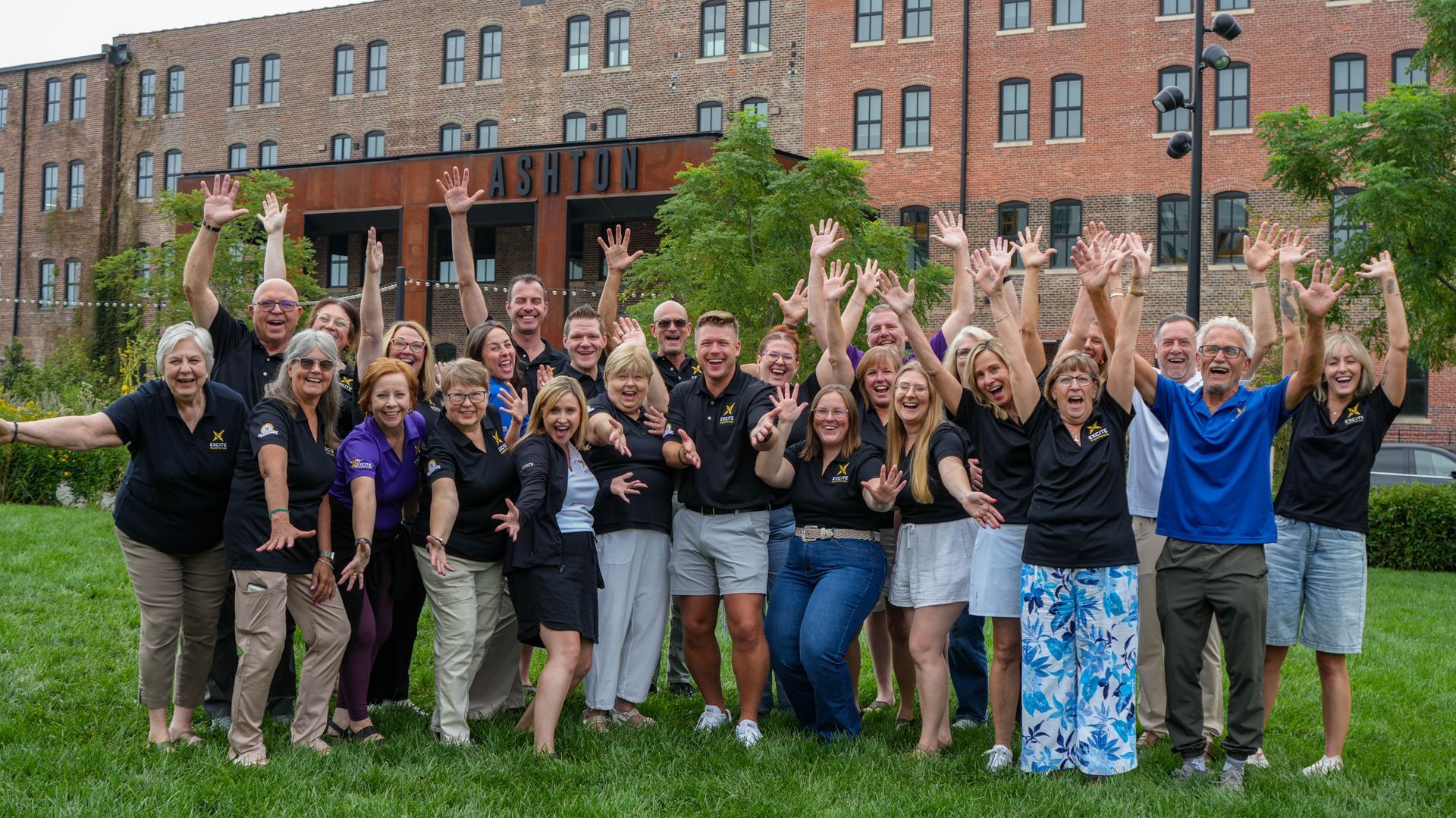
Today she is on our operations team, which means she is one of the people who builds an itinerary before it ever gets published: the flights, the hotels, the order of the days, all the pieces that have to line up for a trip to actually work. So when we started putting Kingdoms of Southeast Asia together, she was one of the people building it.
Here is the first thing she will tell you about going.
"It can be a place that might seem scary or overwhelming. But the culture, the people, they are so welcoming. They want us there."
That is worth putting up front, because it is the honest starting point. Southeast Asia is the most culturally different place most American travelers will ever go. The food is unfamiliar. The languages are unfamiliar. Daily life runs on a rhythm that has nothing to do with home.
That is not the obstacle. That is the entire reason to go.
Kingdoms of Southeast Asia runs April 22 to May 10, 2027 - nineteen days through Vietnam, Cambodia, Laos, and Thailand, with an optional three-night Bangkok extension that stretches it to twenty-two. It is a brand new tour for us, which means whoever books it is part of the founding group.
Here is what it actually looks like.
Why This Southeast Asia Tour 2027 Is Built Differently
Two things separate this trip from a standard Asia itinerary.
The first is group size. This tour averages 16 travelers and caps at 24. On a continent where the default is a coach full of fifty people following a flag through a temple complex, a group this small changes the entire texture of the experience. You move faster. You get into places a large group cannot. And by the end of nineteen days, the people you started with are not strangers.
The second is the guiding. Excite Experiences has partnered with Collette for this tour, which means every day you have two guides - your Excite Experiences guide traveling with the group from start to finish, and a local guide native to each region who speaks the language and knows the history from the inside. That second guide is the difference between seeing a temple and understanding it.
Everything is included: round-trip international airfare, all internal flights between the four countries, every hotel, all transfers, 31 meals, and entrance to every site on the itinerary.
Vietnam: Where the Trip Begins
"Hanoi"
You land in Hanoi in northern Vietnam and spend the first several days there, and the city does not ease you in gently. Scooters move through the streets in numbers that have to be seen to be understood. The Old Quarter is a dense grid of narrow streets that have been trading in the same goods for centuries. The Temple of Literature, founded in 1070 as Vietnam's first national university, sits in the middle of it all as a reminder of how old this city actually is.
The food alone justifies the stop. A guided walking food tour early in the itinerary introduces you to the street food culture properly, and Hanoi's banh mi - the Vietnamese baguette sandwich that emerged from the collision of French colonial baking and Vietnamese ingredients - is among the best in the country. The city is also home to egg coffee, a Hanoi invention of whipped egg yolk, condensed milk, and strong Vietnamese coffee that sounds strange and tastes like liquid tiramisu. A rooftop coffee shop overlooking Hoan Kiem Lake is on the itinerary.
On free time, Kristen's recommendation is Train Street - a residential lane where an active railway runs so close to the cafes and shopfronts that tables and chairs have to be pulled back minutes before each train passes. When the train has gone, everything moves back into place and the lattes resume.
The most affecting day in Hanoi is the visit to Hoa Lo Prison, known to American prisoners of war as the Hanoi Hilton, followed by a conversation with a Vietnam War veteran. Kristen had this same experience on her own trip and describes it as one of the most powerful things she has done while traveling - a chance to understand a piece of history from a perspective you cannot get from a book.
"Ha Long Bay"
Ha Long Bay is the image most people already have in their heads when they think of Vietnam, and it earns it. Nearly two thousand limestone karsts rise vertically out of emerald water across a bay that has been a UNESCO World Heritage site since 1994.
This tour includes an overnight cruise on the bay. Fresh seafood, kayaking into hidden alcoves between the islands, sunrise tai chi on the sun deck, and a visit to Sung Sot Cave - the Surprise Cave - an enormous limestone grotto lit up inside the rock. Kristen only managed a day trip on her own visit and still describes it as one of the most beautiful places she has ever been. The overnight version is the one people talk about for years.
"Hoi An"
If Ha Long Bay is the postcard, Hoi An is the place people fall in love with unexpectedly.
A former trading port on Vietnam's central coast, Hoi An's old town is a UNESCO World Heritage site that has been preserved almost entirely intact. Yellow-walled merchant houses, a 400-year-old Japanese Covered Bridge, Chinese assembly halls, and a river running through the middle of it with wooden boats moving up and down. At night the entire town is lit by silk lanterns. Kristen's description is that it feels like time travel.
Hoi An is also famous for its tailors. You can walk into a shop, choose fabric, get measured by hand, and pick up a fully custom-made suit, dress, or shirt a day or two later. Kristen had a floor-length dress made for between 75 and 100 dollars. Custom, hand-sewn, fitted twice. There are tailors at every price point and it is one of the most unusual souvenirs available anywhere in the world.
The Hoi An days also include a cooking class where you learn to catch seafood in the river and grind rice into flour before cooking a local dish with what you gathered, a ride in a traditional round basket boat on the coconut palm waterways where the boatmen spin the boats in place as a party trick, and a hands-on lantern-making session.
"Ho Chi Minh City and the Mekong Delta"
Ho Chi Minh City, still widely known as Saigon, is Vietnam's largest city and its commercial engine. The colonial architecture is the visual signature - the Saigon Central Post Office designed in the late 1800s, the Notre Dame Cathedral built with materials shipped from France, and the Reunification Palace where the Vietnam War formally ended in 1975.
The scooters here reach a scale that has to be experienced. An optional evening Vespa street food tour takes you through the city on the back of a scooter with a local driver, stopping at food spots along the way. Kristen has done this multiple times and calls it one of her favorite travel experiences anywhere.
From the city, the tour heads into the Mekong Delta - the vast river system that feeds much of Vietnam - with a boat journey, a stop at a coconut candy workshop, and the chance to try durian, the notoriously pungent fruit that tastes far better than it smells.
The final day in Vietnam is spent at the Cu Chi Tunnels, the underground network used during the Vietnam War, which runs for over 120 kilometers beneath the countryside outside the city. Visitors can descend into sections of the tunnels themselves.
Cambodia: Angkor and What Came After
"Siem Reap and Angkor Wat"
Angkor Wat is the largest religious monument in the world. Built in the early twelfth century as a Hindu temple and later converted to Buddhist use, it covers roughly 400 acres and has been in near-continuous use for over 900 years. It appears on the Cambodian flag - the only national flag in the world featuring a building.
Standing in front of it is the kind of experience that reorders your sense of what pre-modern civilizations were capable of. The carving detail across the temple walls runs for hundreds of meters. You can climb up through the structure and move through its levels. Monks are present at altars inside, and visitors can receive a blessing.
Angkor Wat is the headline, but the surrounding archaeological park contains hundreds of temples, and this itinerary visits several. Bayon is the temple of faces - over 200 enormous stone faces carved into its towers, gazing out in every direction. Ta Prohm is the temple the jungle reclaimed, where enormous fig and silk-cotton tree roots have grown directly through and over the stone walls. It became internationally famous as a filming location for Tomb Raider, and it is one of the most photographed places in Cambodia for good reason.
"The Hero Rats"
One of the most unexpected stops on the entire itinerary is a demonstration of Cambodia's landmine detection rats.
Decades after the conflicts that shaped this region, unexploded ordnance still contaminates land across Cambodia. African giant pouched rats are trained to detect the scent of explosives. They are light enough not to trigger the mines, and they clear ground faster than metal detectors because they ignore scrap metal entirely. The program is ongoing, actively saving lives, and getting to see the rats work is both genuinely fascinating and a sobering piece of context for everything else you are seeing in the region.
"The Countryside and the Floating Village"
The Cambodia days also include a look at how rice noodles are made, a palm sugar market where you learn how sap is tapped from the trees and used in local cooking, and a visit to Kampong Khleang - a floating village on the Tonle Sap lake where houses stand on stilts fifteen to twenty feet above the ground during dry season and sit at water level when the lake floods. Evenings include a night market, which in Southeast Asia is an entire cultural institution rather than just a place to shop.
Laos: The Country Most Travelers Miss
"Luang Prabang"
Laos is the quietest of the four countries on this itinerary and, according to Kristen, one of the most rewarding. Most travelers to Southeast Asia go to Thailand and Vietnam. Fewer make it to Laos. That is precisely why it is worth going.
Luang Prabang sits at the confluence of the Mekong and Nam Khan rivers, surrounded by mountains, and its entire old town is a UNESCO World Heritage site. The city is a blend of traditional Lao wooden architecture and French colonial buildings, dotted with gilded Buddhist monasteries and moving at a pace that feels almost deliberately unhurried.
The itinerary here includes the National Museum, housed in the former Royal Palace, a monastery visit, and a trip to see the thousands of Buddha statues that have been placed in the riverside caves over centuries. Getting around by tuk tuk - the three-wheeled open-air taxis that are the standard local transport - is part of the experience.
"Hill Tribe Village and Waterfall"
The final full day in Laos includes a visit to a traditional hill tribe village to learn about a way of life that is genuinely different from anything most travelers have encountered, followed by one of the most beautiful waterfalls in the region. Kristen did a multi-day version of this in Thailand and describes the welcome from the communities as one of the highlights of her time in Asia.
Thailand: Ending in Bangkok
Bangkok is loud, enormous, and absolutely alive. It is where this trip ends, and it is a fitting close.
The itinerary includes the temples along the river, including Wat Pho and its reclining Buddha - a gilded figure 46 meters long and 15 meters high, one of the largest of its kind in Thailand. The ornate detail across Bangkok's temple architecture is unlike anything else on the trip. The farewell dinner happens here, with a group that started as strangers nineteen days earlier.
For those adding the optional three-night Bangkok extension, there is time for the floating markets, where vendors sell food and goods directly from boats along the canals, and considerably more of a city that most people wish they had given more time.
What Is Included
Round-trip international airfare from your home city
All internal flights between Vietnam, Cambodia, Laos, and Thailand
All hotel accommodations
All hotel and airport transfers
31 meals
Entrance fees to all sites and temples on the itinerary
Excite Experiences tour guide for the full duration
Local guides in each region through our partnership with Collette
Details on the Excite Experiences Payment Protection Plan and TripMate travel insurance are available at excitemytravel.com/payment-protect-program-travel-insurance.
Activity Level and What to Expect
This is a Level 3 tour, which means it is built for the on-the-go traveler. Expect extended walking and standing throughout the day, and be prepared for uneven terrain in places. Streets and walkways across Southeast Asia are accessible but are not always as level as what most American travelers are used to.
April is warm. It will not be peak summer heat, but temperatures and humidity will be noticeably higher than an April at home. Hydration matters more than you expect, both on the flight over and once you arrive.
On the long-haul flight, Kristen's advice from experience: compression socks, a neck pillow, stretching before you board and again during the flight, and keeping your legs moving. Flying east to west into Asia also means the time change works in your favor - you are staying up later rather than waking up earlier, which most people adjust to within a day.
Pricing and How to Book
Double occupancy: $7,399 per person, international airfare included
Single supplement: $869
Price includes round-trip international flights, all flights within the four countries, hotels, transfers, 31 meals, and all site entrances.
Departures available from Nebraska, Iowa, and South Dakota (excitemytravel.com/nebraska) and Kansas and Missouri (excitemytravel.com/kansas). Have questions before booking? Visit excitemytravel.com/contact#FAQ.
This is a new tour with a maximum of 24 travelers, so space is genuinely limited. To book or ask questions, call 402-293-9282, email info@excitemytravel.com, or visit excitemytravel.com to book online.
Why This Trip
Southeast Asia intimidates a lot of American travelers. It is far. The languages are unfamiliar. The food, the customs, and the pace of daily life are genuinely different from home in a way that European travel is not.
That is exactly the argument for going.
Kristen's first trip to Southeast Asia was solo, and she was nervous about it. What she found was a region where the people are welcoming, the food is extraordinary, the history is deep and layered, and the landscapes range from limestone bays to jungle temples to mountain waterfalls within a single itinerary. Going with a group removes the part that makes people hesitate and leaves the part that makes it worth doing.
Four countries. Nineteen days. Angkor Wat, Ha Long Bay, the lantern-lit streets of Hoi An, and the quiet monasteries of Luang Prabang.
Browse all fly-in tours at excitemytravel.com/fly-in-tours or view the full tour catalog at excitemytravel.com/tours. Subscribe to our newsletter at excitemytravel.com/newsletter-registration to stay up to date on new tours and announcements.
Call 402-293-9282 or visit
https://www.excitemytravel.com/tour/kingdoms-of-southeast-asia-2027
to reserve your spot.