
Traveling to Europe in 2026? What the New Digital Border System Means for You
April 22, 2026
If Europe is on your travel wish list for 2026, there is an important update every traveler should know before departure. The European Union has launched a new digital border screening process called the Entry/Exit System (EES), changing how U.S. travelers and other non-EU visitors enter many European countries.
At Excite Experiences, we believe stress-free travel starts with being prepared. Here’s what this means for your next European adventure—and how we help make it easy.
What Is the EES?
The Entry/Exit System replaces traditional passport stamping with a secure digital system. Instead of a stamp in your passport, border officials will electronically record your arrival and departure.
For many travelers, this includes:
- Passport scan
- Facial image capture
- Fingerprint scan
- Digital tracking of entry and exit dates
The system is now fully operational across participating Schengen countries.
Will This Affect U.S. Travelers?
Yes. American travelers visiting Europe for short stays (typically up to 90 days within a 180-day period) should expect to go through the EES process when entering participating countries.
If this is your first trip after implementation, border processing may take a little longer than in past years.
What to Expect at the Airport
While the system is designed to improve security and modernize border crossings, some airports have reported longer lines during rollout.
That means travelers should plan for:
- Extra time after landing
- Longer immigration queues at busy airports
- Additional screening on first entry
- Slight delays during peak travel seasons
How Excite Experiences Helps Our Guests
This is where group travel shines.
When you travel with Excite Experiences, you are never left guessing. Our team helps guests navigate travel changes like these before departure so you feel confident every step of the way.
We assist with:
- Pre-trip guidance and documentation reminders
- Arrival planning and realistic airport timing
- Smooth transfers and organized itineraries
- Experienced tour leadership throughout your journey
- Support if unexpected travel issues arise
In short: we stay ahead of changes so you can focus on enjoying Europe.
Our Best Advice for 2026 Europe Travel
If Europe is in your future, here are three smart moves:
- Book early. Demand remains strong and travel systems are changing.
- Travel with experts. Having a team monitor requirements matters more than ever.
- Allow extra patience. New systems often improve over time, but the first year can involve adjustments.
Ready for Europe?
From Italy to river cruises to unforgettable cultural journeys, Excite Experiences is committed to making international travel easy, exciting, and worry-free.
If Europe is calling your name in 2026, we’d love to help you answer it.
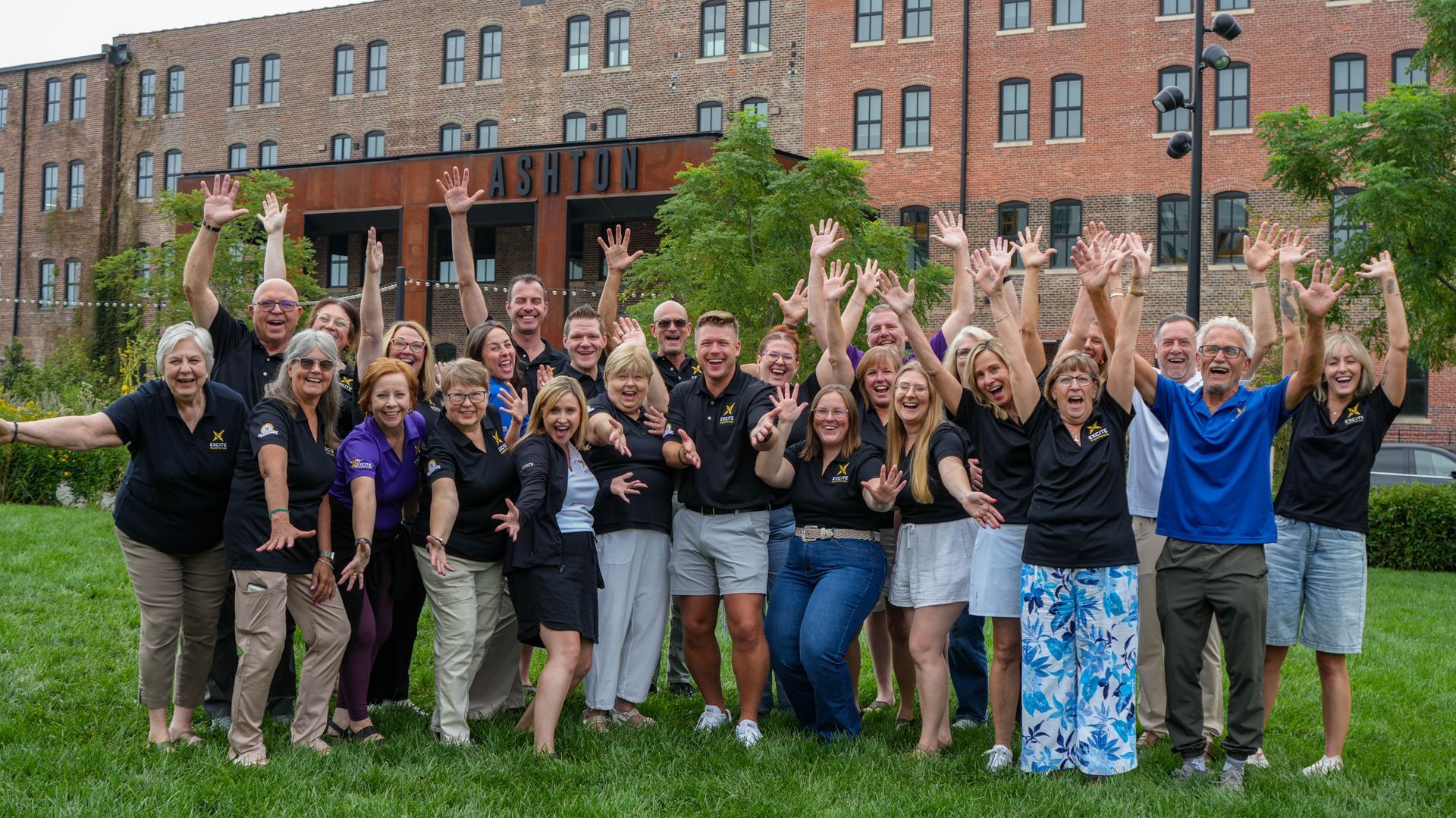
On a group tour, the guide is the trip. The itinerary matters. The hotels matter. But the person standing at the front of the bus at seven in the morning is the one who decides whether ten days with strangers turns into ten days with friends. They are the one who knows which side of the coach has the view, which restaurant is worth the walk, and how to fix a problem before you ever notice there was one. We have 29 guides leading more than 125 departures in 2027. Some have been with us for more than a decade. A few started as guests, liked it enough to come back on the other side, and never left. Here is every one of them, and everywhere they are going this year. Alex Alex leads a mix of warm-weather escapes and holiday favorites, and he has two of the year's mystery tours on his calendar. Mystery Tour #6, February 20 Amazing Gulf Shores, March 1 to 8 Mystery Tour #3, June 19 Branson Christmas, Kansas departure, November 16 to 19 New York Christmas, December 6 to 10, with Paige Alyssa Alyssa has been with Excite for almost eight years, and her dream trip is anywhere she has not been yet. That says most of what you need to know. From mystery tours to European river cruises, she brings the same open-minded energy to every group she leads. Mystery Tour #7, March 13 Eastern European Marvels, Budapest to Prague, June 2 to 10 Sensations of the Seine, June 16 to 26 Pacific Northwest Fly In, July 5 to 12 Mystery Tour #4, July 17 Colorado Rails, Kansas departure, July 19 to 23 Classic Omaha Christmas, December 5, Bus 2, with Cliff Bill and Chris Bill and Chris have both been on the team for five years, and both dream of Italy, which works out well in 2027 because they are leading Tuscany. Together they bring twice the energy and a dynamic guests genuinely love. Texas Wine Country, April 11 to 15 Kingdoms of Southeast Asia, April 22 to May 10 London and Paris, May 30 to June 10 Ireland, August 14 to 25 Tuscany, September 19 to 28 Branson Christmas, Nebraska departure, November 15 to 18 Brian Brian has been part of the team for five years and is a guest favorite for his easygoing style. His dream destination is Europe, and his 2027 runs from a Nordic expedition to holiday classics close to home. Nordic Discovery, June 12 to 28 All the Small States Tour #2, September 5 to 14 Mystery Tour #2, November 6 Nashville Christmas, November 10 to 14 Classic Omaha Christmas, December 5, Bus 1, with Jama Christmas Mystery, December 11 Brie Brie is our Operations Manager as well as a guide, which means she knows exactly how a trip comes together from the first phone call to the last transfer. She is also a key part of the air team that manages reservations and updates. Australia, March 1 to 21 Circle Journey on the Rocky Mountaineer, May 9 to 18 African Safari, August 31 to September 14 3 Day Christmas Getaway, December 9 to 11, with Cindy Carrie Carrie loves Charleston and Savannah, and it shows in how she leads. She has a gift for making travelers feel comfortable whether it is their first group trip or their fifteenth. Charleston and Savannah, April 8 to 16 Gorgeous Galena, Kansas departure, May 12 to 14 St. Charles and Hermann, May 24 to 26 Apostle Islands and Door County, Kansas departure, August 6 to 12 Yellowstone, Nebraska departure, September 11 to 17 Buffalo Roundup and South Dakota, Nebraska departure, September 22 to 25 Albuquerque Balloon Fiesta, Kansas departure, October 5 to 10 Southwest Parks, Kansas departure, October 12 to 20 Two Day Mystery Tour, Kansas departure, November 4 to 5 Classic Kansas Christmas, December 11 Cindy Cindy is a co-owner and has been guiding since the very beginning. She helped build this company from the ground up and still loves getting on the road. In 2027 she is leading a trip alongside her daughter Brie, which makes it a genuine family affair. Summer in Mackinac, Kansas departure, June 5 to 10 3 Day Christmas Getaway, December 9 to 11, with Brie Cliff Cliff has been with Excite for two years and brings real adventure energy to everything he leads. His dream destination is Africa. Closer to home, his calendar runs from the Southwest to the holiday lights. Southwest Trains, March 20 to 27 Mystery Tour #8, May 22 Colorado Rails, Nebraska departure, July 8 to 12, with Mitch Fall in Mackinac, Kansas departure, September 8 to 13 Rhine River Cruise, September 21 to October 1 Classic Omaha Christmas, December 5, Bus 2, with Alyssa Deb Deb teams up with Jill for the Kansas departure to Yellowstone in September. Yellowstone, Kansas departure, September 14 to 21, with Jill Emily Emily runs the trips where you never quite know what is coming next, which is the point. Mystery Tour #1, June 26 Mystery Tour #9, August 14 Jama Jama has been with Excite for five years and dreams of Africa. She brings warmth, organization, and a real love of travel, and in 2027 she is leading Iceland, Greece, Italy, and Hawaii. Iceland, February 23 to March 1 Greece, May 29 to June 9 Gorgeous Galena, Nebraska departure, July 15 to 17 Italy, September 6 to 17 Magnolia Markets, October 14 to 17 Hawaii 3 Island Tour, November 1 to 10 Classic Omaha Christmas, December 5, Bus 1, with Brian Jane Jane has been with Excite for five years, and her favorites are the Kentucky Derby and the Albuquerque Balloon Fiesta. That taste for bucket-list experiences shows up in everything she leads. 5 Day Fly Away Mystery Tour, July 26 to 30 Eureka Springs and Branson, August 2 to 5 Trains of New England, September 26 to October 1 Jenna Jenna joined about ten months ago as our Office Operations Manager and oversees the guest experience team. Her dream trip is Antarctica, which tells you she is not afraid of a bold adventure. Texas Lone Star State, April 2 to 8 Jasper, Banff, and Glacier National Park, August 9 to 15 Albuquerque Balloon Fiesta, Nebraska departure, October 5 to 10 Jessica Jessica is one of our newest team members and has dived in headfirst. Her dream destination is Portugal, or really anywhere in Europe, and in 2027 she is leading exactly that. Coastal Spain and Portugal, September 25 to October 7 Jill Jill leads Midwest tours out of Kansas City, from a single day in historic Missouri to the Mississippi River towns and Yellowstone. Historic Missouri from Kansas City, July 10 Mississippi River Towns, Kansas departure, August 12 to 16 Yellowstone, Kansas departure, September 14 to 21, with Deb JJ JJ is a co-founder and the reason this company exists. Fifteen years ago he and Cindy started it with one hundred dollars and a belief that group travel could be better than it was. His motto is enjoy your life, and it is not a tagline, it is how he runs every trip. He is a storyteller and a planner who wants you completely prepared before you step on the bus. Eastern Caribbean Cruise, February 5 to 13 Alaska Land and Sea, June 8 to 18 Croatian Coast on the Emerald Azzurra, July 9 to 17 Fly Away 5 Day Mystery Tour, July 26 - 30, 2027 Kristin Kristin joined a few months ago but is no stranger to adventure. She has traveled all over Southeast Asia and believes travel is about stepping outside your comfort zone and growing from it. She has eaten tarantulas and durian, so she means it. Hawaii 3 Island Tour, March 6 to 15 Napa Valley, August 12 to 17 Linda Linda brings a steady, friendly presence to every trip. In 2027 she teams up with Vince for spring training, built for baseball fans and sunshine seekers alike. St. Louis Cardinals Spring Training Fly In, February 20 to 24, with Vince Mark Mark has been on the team for two years and has quickly become a guest favorite. Whether it is New Orleans jazz or Pacific Coast views, he makes a tour feel like a good time with friends. His dream trip is the Pacific Coast adventure, and he is leading one. Winter in Yellowstone, February 1 to 7 Spring in DC, April 19 to 23 153rd Kentucky Derby, April 27 to May 2 Route 66 Part 1, June 8 to 16 Route 66 Part 2, June 15 to 23 Mississippi River Towns, Nebraska departure, August 19 to 23 Pacific Coast Adventure, September 13 to 22 Fall in New England, October 3 to 10 Southwest Parks, Nebraska departure, October 16 to 24 Christmas Markets of Europe, November 27 to December 7 Michael Michael is new to the team and ready to explore. His dream destination is Europe, and he starts 2027 with a river cruise through Holland and Belgium in tulip season. Holland and Belgium in Bloom River Cruise, April 8 to 16 Mitch Mitch is proof that the best adventures have no age limit. He started as an Excite customer, loved it enough to join the team, and has been guiding for eleven months. His dream destinations are Hawaii and Canada. Two Day Mystery Tour, Nebraska departure, June 3 to 4 Colorado Rails, Nebraska departure, July 8 to 12, with Cliff National Balloon Classic, Nebraska departure, July 31 Ark Encounter, August 4 to 8 Morgan Morgan joined earlier this year and is already leading a strong lineup. Her dream destination is the Pacific Northwest, specifically Oregon, and she is guiding everything from small-town charm to fall foliage and spooky season in Salem. All the Small States Tour #1, August 15 to 24 Fall in Mackinac, Nebraska departure, September 5 to 10 Jack O'Lantern Salem Spectacular, October 19 to 23 Paige Paige has been with Excite for five years and is known for making every trip feel effortless. Her warm personality and infectious laugh are why guests keep asking for her. Her dream destination is South Korea. South Padre Island Tour, January 25 to 30 Chicago Mob Tour, March 31 to April 3 Summer in NYC, June 7 to 11 Natchez and Memphis, September 5 to 11 England and Scotland, September 29 to October 9 New York Christmas, December 6 to 10, with Alex Pat Pat has been part of Excite for several years, supporting trips both on the road and behind the scenes in the office, which means she understands the details that make a trip feel smooth. New Orleans Getaway, January 18 to 24 Tulip Time in Holland, Michigan, May 3 to 7 Pella Tulip Festival, May 8, with Steph Shank Apostle Islands and Door County, Nebraska departure, August 13 to 19 Wine, Cheese, and Chocolate, October 12 Christmas in Dollywood, November 6 to 13 Steph Love Steph Love is one of our newest guides and is already jumping in with both feet. Her dream trip is Alaska, and in 2027 she is leading everything from a Panama Canal cruise to Midwest favorites. Panama Canal Cruise, April 3 to 20 National Balloon Classic, Kansas departure, July 31 Madison County Bridge Fest, Kansas departure, October 9 Steph Shank Steph Shank has thirteen years at Excite, making her one of our most experienced guides. She has led trips from Cape Cod to the Canadian border. Her dream destination is Hawaii. If a guide has seen it all, it is Steph. Mystery Tour #5, April 24 Pella Tulip Festival, May 8, with Pat Mackinac Island, Nebraska departure, May 29 to June 3 Magnolia Markets, June 17 to 20 Cape Cod, July 12 to 17 Canada and Niagara Falls, July 24 to 31 Madison County Bridge Fest, Nebraska departure, October 9 KC Christmas Spectacular, December 4 to 5 Steph Steffensmeier Steph Steffensmeier has been with the team for a year and a half and dreams of Hawaii. She guides everything from tulip festivals to fall foliage in DC with a fun, can-do attitude. Tulips and Oz from Kansas City, April 10 Applejack Fest from Kansas City, September 18 Buffalo Roundup and South Dakota, Kansas departure, September 22 to 26 Fall in DC, September 27 to October 1 Tod Hart Tod leads the charge in St. Louis. He brings decades of tour experience and believes travel should be joyful, comfortable, and something people genuinely look forward to. From Florida rails to the California redwoods, his tours are about slowing down, soaking in the views, and enjoying the ride. Florida Trains: Coast to Coast Rail Adventure, January 11 to 15 Palm Springs Escape, January 25 to 29 Florida Keys and the Everglades, February 8 to 12 Big Sur Majesty and Redwoods Train Experience, May 4 to 8 Vince Vince teams up with Linda for Cardinals spring training, a fly-in built for baseball fans. St. Louis Cardinals Spring Training Fly In, February 20 to 24, with Linda How to Book Browse everything at excitemytravel.com/tours, or narrow it down by multi-day itineraries at excitemytravel.com/multi-day, single days at excitemytravel.com/one-day, or fly-in trips at excitemytravel.com/fly-in-tours. You can also sort the whole season by month at excitemytravel.com/by-month. Departures run from Nebraska, Iowa, and South Dakota (excitemytravel.com/nebraska), Kansas and Missouri (excitemytravel.com/kansas), and St. Louis (excitemytravel.com/stlouis). Want it all in print? Request the free catalog at excitemytravel.com/catalog. Questions first? Our frequently asked questions are at excitemytravel.com/contact#FAQ, details on the Payment Protection Plan and travel insurance are at excitemytravel.com/payment-protect-program-travel-insurance, or call 402-293-9282 and talk to a person. Subscribe at excitemytravel.com/newsletter-registration to hear about new departures first.
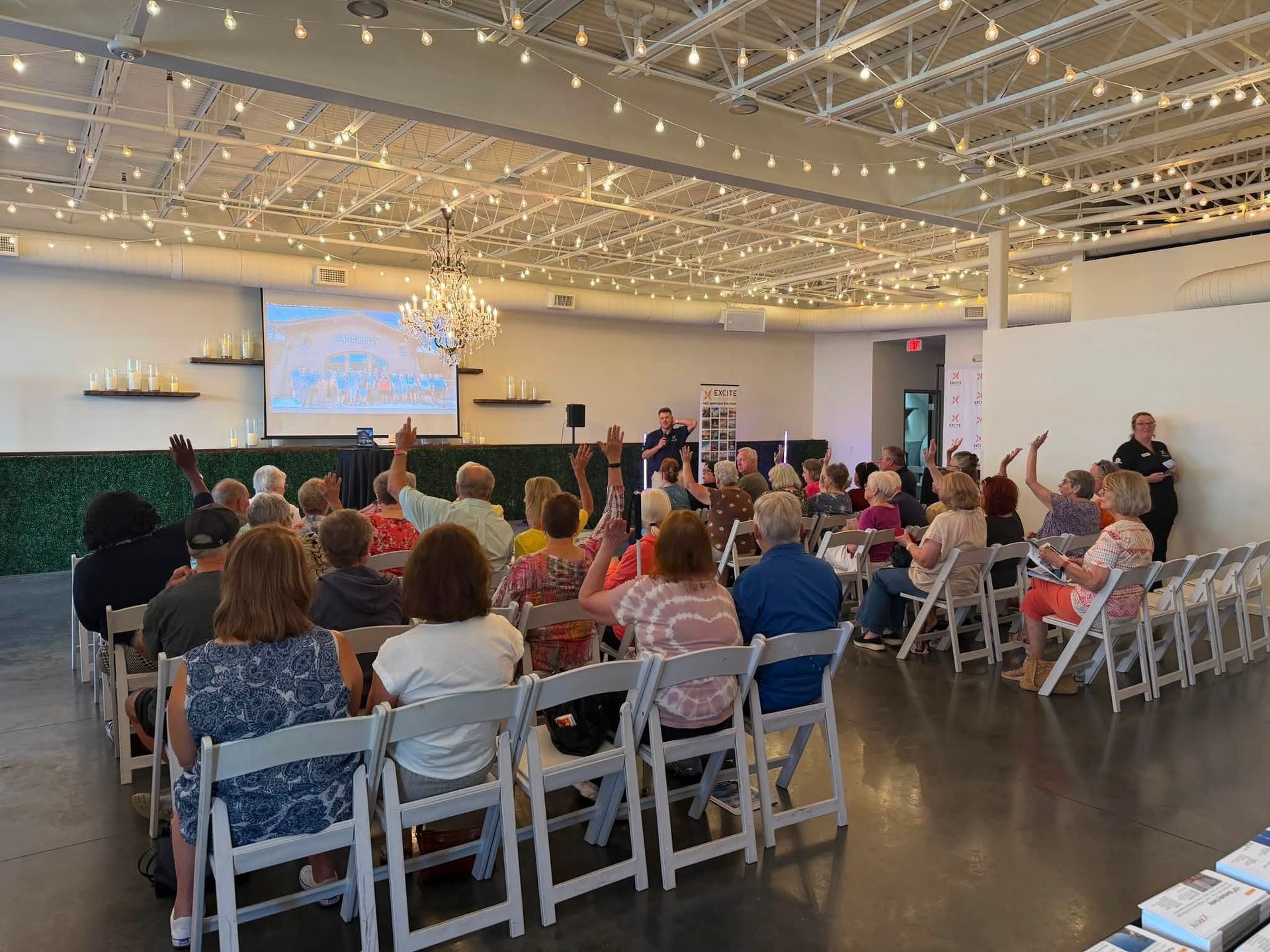
From Two Desks in a Basement to Tours Around the World: The Excite Experiences Story Excite Experiences looks a little different today than it did when JJ and Cindy first got started. Today, there’s a growing team of guides, operations staff, ambassadors, and guest relations professionals. There are tours across the United States and around the world. There are bus tours, Fly-In Tours, cruises, mystery trips, sports travel, and plenty more in between. But in the beginning? There were two desks, two chairs, two computers, two phones, a basement — and $100 in a new business account. It Started With a Family Trip For JJ, the travel bug started long before Excite had a name. Growing up in Nebraska, family vacations were pretty simple. There were camping trips and visits to places like the Black Hills. Then, in 1999, the family decided to do something bigger: Disney. That trip stuck. A few years later, JJ’s Aunt Cindy was working in the tour business, and a college-aged JJ came into the office looking for a job to help pay for gas. The assignment was not especially glamorous: stamps, envelopes, and whatever else needed to be done around the office. Then a tour guide got sick. JJ, who was 19 and had never guided a bus tour before, was asked to fill in on a one-day trip to Omaha. His first guest took one look at him and said, “I thought we left all these kids at home.” A promising start. But by the end of the day, something had clicked. JJ loved the people, the travel, and seeing familiar places through someone else’s eyes. Soon, college classes were rearranged around guiding tours. JJ traveled throughout the United States and Europe, learning firsthand what travelers enjoyed — and what they wished group tours did differently. Building Something Different After college, JJ went into banking. But travel kept pulling him back. Eventually, he approached Cindy and her husband, Tom, with an idea: What if they started their own tour company? They had years of experience to draw from and plenty of feedback from travelers. They knew there was room to create something that felt a little different. So they opened a business account with $100. Tom cleared space in the basement for two desks, two chairs, two computers, and two phones. JJ and Cindy spent months working through the details: the company name, logo, tours, and the big question every new business has to answer — how do we get people to notice us? Then they placed an ad in the newspaper alongside the established tour companies. And waited. Success did not happen overnight. There were long days, late nights, and even an accountant who suggested they might want to shut the whole thing down. They found a new accountant. And they kept going. Finding Their Kind of Travel Over time, travelers started finding Excite. By 2019, the tour calendar was gaining real momentum, with trips like Mackinac Island and Christmas in New York City helping introduce more people to the company. Then COVID brought travel to a stop. For JJ and Cindy, it became a moment to decide whether they still believed in what they were building. They did. Excite refreshed the brand, revisited its tours, and prepared to start again. When travelers were ready to get back out into the world, the company was ready too. What had once been a handful of tours each year grew into a lineup of more than 100 experiences across the country and around the globe. But growth was never supposed to mean becoming just another big tour company. The goal was still the same: make travel easier to enjoy. A Tour and a Vacation One of the clearest ideas behind Excite came directly from years spent traveling on traditional group tours. JJ had experienced the long days — the kind that could start at 6 a.m. and keep moving until 10 at night. Excite wanted something different. The idea is a mix of a tour and a vacation. You still see the places you came to see. But there’s also room in the itinerary to slow down, explore something that interests you, grab a drink with friends, enjoy the hotel, or simply have a little time to yourself. That same thought goes into the other pieces of the trip. Hotels matter because you should feel comfortable with where you’re staying. Food matters because it helps you experience where you are. If you’re in New Orleans, for example, trying the local food is part of the trip. And the people matter — a lot. Guides aren’t simply there to read an itinerary. They’re there to help, answer questions, adapt when something unexpected happens, and make the experience enjoyable from beginning to end. Behind them is an operations team working on reservations, hotels, flights, transportation, and all the little details travelers hopefully never have to think about. You Never Know Who You’ll Meet Then there’s the part nobody can really put on an itinerary: the people you meet. Excite has seen neighbors discover each other on the same tour, old friends reconnect, and solo travelers find people they want to travel with again. That’s one reason group travel can work so well for someone who wants to see more of the world but doesn’t necessarily have somebody ready to go with them. You don’t have to have a travel partner before you leave. Sometimes you meet one along the way. Still Growing, Still Excite The company that started in a basement now includes dozens of people working both on tour and behind the scenes. The destinations have grown too — from one-day regional trips to national parks, international journeys, cruises, rail adventures, sporting events, and more. A lot has changed since the $100 business account. The basic idea hasn’t. Plan the complicated parts. Take care of people. Leave enough room for travelers to actually enjoy where they are. And maybe have a little fun along the way. Because after all these years, Excite Experiences is still built around the same thing JJ discovered on that first bus at 19: Travel is pretty great. And the people you get to share it with are a big part of what makes it worth doing. Ready to See Where Excite Is Going Next? Take a look through this year’s Catalog to see the trips we’ve been planning: https://www.excitemytravel.com/catalog You can also browse all upcoming tours here: https://www.excitemytravel.com/tours Looking for tours departing closer to home? Explore upcoming options by region: Nebraska Area Departures https://www.excitemytravel.com/nebraska Kansas City Area Departures https://www.excitemytravel.com/kansas St. Louis Area Departures https://www.excitemytravel.com/stlouis Wherever you decide to go next, we’d love to see you out there on the road.
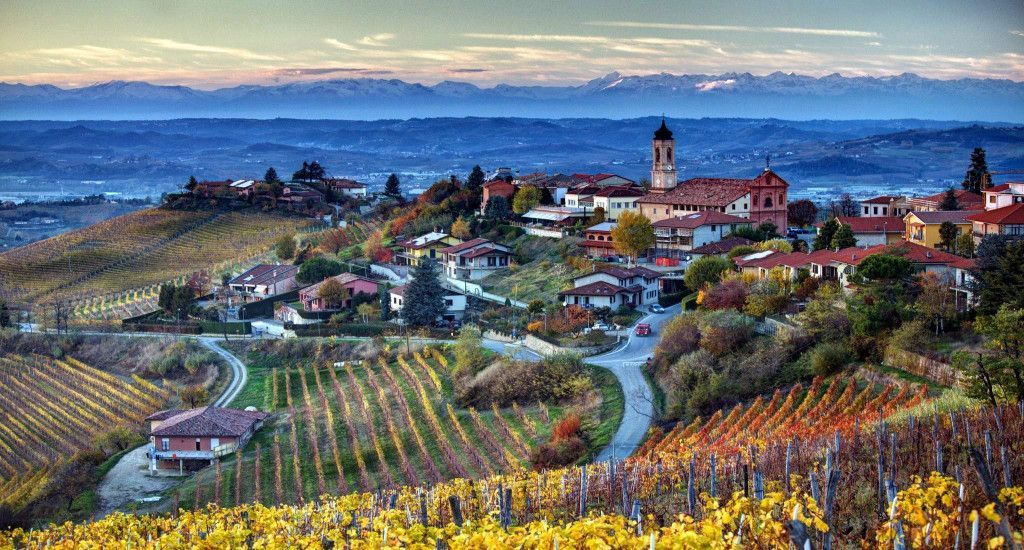
Amalfi Coast | Rome | Tuscany